Expert Drywall Repair Services: Return Your Walls to Their Best Condition
Skilled drywall repair techniques play an essential role in maintaining the aesthetic integrity of interior spaces. Water damage, cracks, or everyday deterioration can negatively impact a residence's look and worth. Trained specialists employ advanced approaches and superior products to ensure a seamless result. Understanding the importance of these services raises essential inquiries about frequent damage patterns and reliable repair strategies. What obstacles must property owners overcome when dealing with drywall problems?
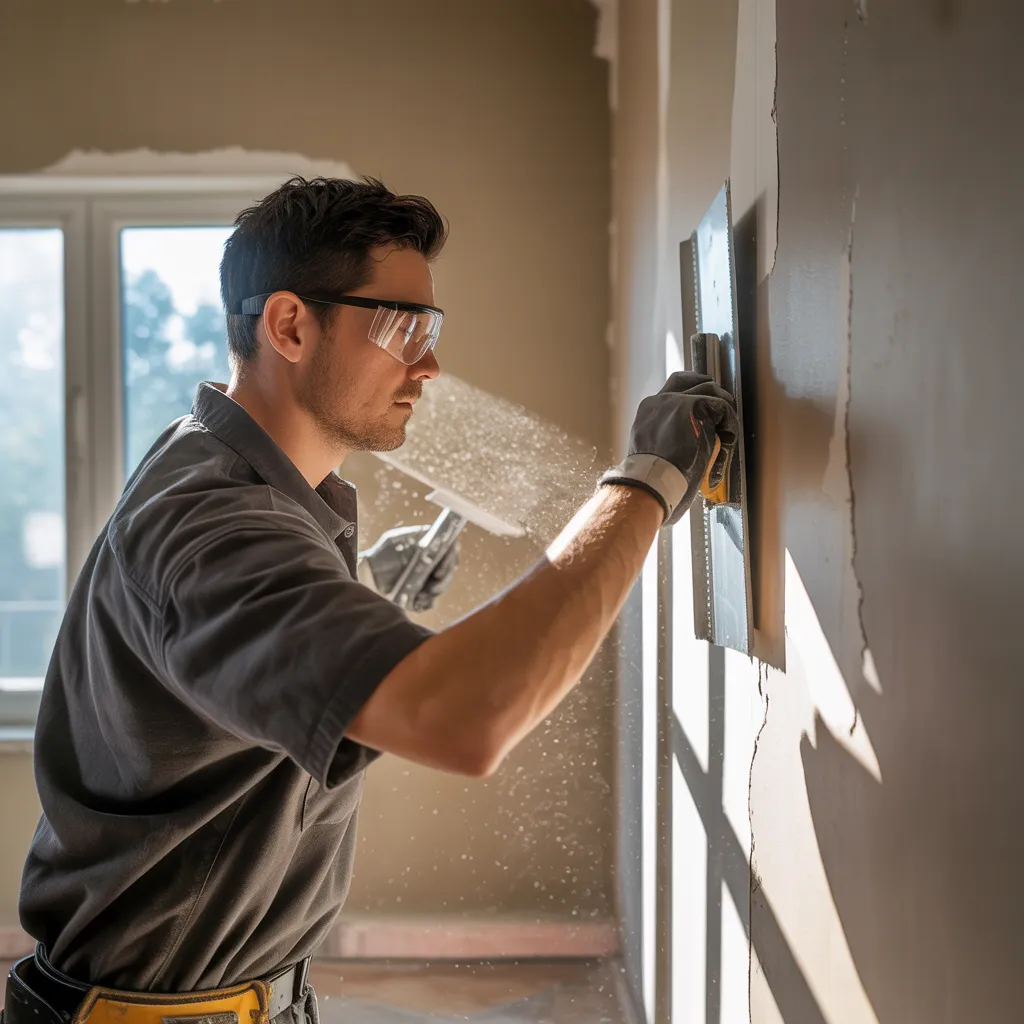
The Importance of Professional Drywall Repair
Expert drywall repair is essential because it delivers a flawless result that enhances the overall aesthetic of a room. Both homeowners and business owners acknowledge the significance of keeping interior walls in good condition, as flaws can diminish the aesthetic appeal and worth of a home. Experienced professionals possess the begin here expertise to identify and assess damage effectively and apply suitable methods for repair, ensuring a perfect finish.
Additionally, skilled professionals lower the likelihood of issues returning by tackling the root causes that originally led to the damage. Such a preventative method not only improves appearance but also extends the lifespan of the walls. Moreover, skilled drywall work follows strict safety protocols, minimizing potential hazards associated with improper repairs. At the end of the day, choosing professional services creates a welcoming environment, ensuring that spaces remain functional and aesthetically pleasing for years to come.
What Are the Most Common Types of Drywall Damage and What Causes Them?
Many kinds of drywall damage are known to develop in both residential and commercial spaces, each stemming from various causes. One common type is water damage, commonly stemming from damaged roofing, pipe problems, or elevated humidity levels. This can lead to sagging, mold growth, and discoloration. Another frequent issue is impact damage, which typically arises from furniture, sports equipment, or accidental bumps, creating dents or holes in the surface. Furthermore, cracks may form as a result of structural settling or changes in temperature, undermining the strength and stability of the drywall panel. Nail pops, a condition in which fasteners break through the drywall surface, are frequently the result of building movement or foundation settling. All of these damage types demand targeted repair methods and professional attention to return the drywall to its original condition, underscoring the value of seeking qualified inspection and repair solutions.
Advanced Strategies for Identifying Drywall Concerns
A detailed examination of drywall damage necessitates a keen eye for detail and an knowledge of potential hidden concerns. Experts start by examining the surface for noticeable indicators of damage, such as holes, cracks, and moisture stains. They use tools like moisture meters to detect hidden moisture that could indicate leaks or mold growth. Furthermore, examining the structural integrity behind the drywall is critical; this may require looking for sagging or bowing, which can suggest underlying framing concerns.
Sound tests, which involve tapping the wall to uncover hollow areas, help identify areas needing repair. Experienced assessors also consider the location of damage, because particular zones can be more vulnerable to damage from plumbing or electrical systems. Through the integration of visual assessments with advanced tools and methods, specialists can precisely determine the severity of drywall issues, laying the groundwork for implementing targeted and efficient repair solutions.
What to Anticipate From the Drywall Repair Process
Anticipate a seamless and efficient drywall repair process that prioritizes both quality and customer satisfaction. To begin, professionals will conduct a thorough assessment of the drywall damage to establish the most suitable repair approach. This assessment ensures that all problems, from small dents to large holes, are detected.
Once the evaluation is complete, the team will prepare the work area, securing nearby surfaces to minimize disruption. The repair process generally includes patching, sanding, and applying primer, followed by a finish that matches the existing wall texture. At every stage of the work, skilled technicians will employ advanced tools and methods to deliver an impeccable finish.
Ongoing communication is essential; clients can expect updates and clarifications as needed. The project ends with a comprehensive final walkthrough to verify satisfaction before the crew clears the work area. This organized method delivers expertly repaired walls that elevate the visual appeal of the property, reflecting the commitment to excellence in drywall repair.
Benefits of Hiring Specialists for Drywall Repairs
Employing professionals for drywall repairs presents several key benefits that can enhance the overall outcome. Their superior craftsmanship ensures a high-quality result, while their in-depth knowledge enables thorough and timely repairs. Additionally, employing these professionals can conserve time and financial resources in the end.
Quality Workmanship Guaranteed
Investing in professional drywall repair services ensures exceptional work quality that improves the general appearance and structural stability of a space. Experts bring comprehensive skills and industry knowledge, guaranteeing improvements are carried out with exactness. They use high-grade materials and advanced techniques, which significantly lower the probability of future issues such as cracking or moisture damage. Moreover, specialists can accurately duplicate surface textures and finishing details, integrating repairs into current surfaces for a seamless look. This attention to detail not only improves the aesthetic quality but also supports the extended longevity of the surfaces. By working with professionals, homeowners can be confident that their drywall restoration work will be finished with exceptional quality, producing a polished and enduring finish.
Efficiency in Time and Cost
Efficiently managing drywall repairs can save homeowners both time and money, making the selection of professional services a sound one. Specialists possess the tools and expertise necessary to expedite the repair process, guaranteeing that work is finished promptly and efficiently. This level of efficiency reduces interruptions to everyday routines, allowing homeowners to return to their routines without prolonged inconvenience. Moreover, working with professionals can eliminate the risk of costly blunders, as their experience often leads to a more durable and polished finish. By resolving problems quickly and accurately, experts help eliminate recurring repairs, ultimately protecting homeowners from unanticipated expenditures. Ultimately, opting for skilled drywall repair services demonstrates to be both a time-conscious and budget-friendly investment.
Professional Expertise and Strategies
Skilled drywall repair work not only improve time and cost effectiveness but also introduce specialized knowledge and proven techniques. Experts carry a thorough knowledge of materials, tools, and techniques necessary for delivering flawless outcomes. Their expertise enables precise evaluation of damage, guaranteeing that suitable repair approaches are utilized. This expertise minimizes the risk of recurring issues, such as cracks or moisture problems. Moreover, skilled technicians are fully familiar with local building codes and requirements, ensuring conformity across all projects. Their hands-on experience facilitates efficient, top-quality repairs that elevate the visual appeal of a space. In the end, enlisting professionals for drywall repairs ensures an exceptional result, sparing homeowners from the pitfalls of DIY errors and providing lasting durability.
How to Care for Your Repaired Drywall
Preserving fixed drywall is crucial for durability and appearance. Consistent cleaning methods can keep dirt from building up, while monitoring humidity levels helps avoid moisture-related issues. Additionally, addressing any damage promptly guarantees that minor concerns do not turn into significant damage.
Routine Cleaning Practices
Adequate care and maintenance can greatly extend the life of drywall repairs. Regular cleaning practices are essential for preserving its condition and look. Surfaces can collect dust and grime, so it is recommended to use a soft cloth or microfiber duster to clean the walls every few weeks. For more stubborn stains, a soft sponge with a mild soap mixture can be carefully used, being careful not to soak the surface. Abrasive cleaners and scrubbing pads should be avoided, as these can damage the surface. Furthermore, dealing with spills and stains quickly can avoid lasting stains and preserve the visual appeal. By incorporating these simple cleaning habits, the quality of repaired drywall can be maintained by homeowners for many years.
Manage Humidity Levels
Consistent cleaning routines create the basis for extended drywall longevity, but keeping an eye on humidity levels plays an equally vital role in protecting its quality. Excessive humidity can cause mold formation and structural deterioration, while excessively low humidity can cause cracking and warping. Property owners should strive to sustain indoor humidity between 30% and 50%. This goal can be met by installing dehumidifiers in moisture-prone spaces and maintaining adequate airflow throughout the house. Frequently monitoring humidity readings with a hygrometer enables timely corrective measures. Moreover, filling any gaps or cracks around windows and doors contributes to effective moisture management. With careful humidity management, the condition of repaired drywall remains intact, delivering a stunning and long-lasting finish that withstands the passage of time.
Immediately Address Damage
Handling damage in a timely manner is vital for preserving the integrity of patched drywall. Minor issues, such as small cracks or dents, can rapidly worsen if ignored, leading to more extensive repairs. Residents should carry out frequent evaluations to detect any indicators of deterioration. After identification, immediate action should be taken to address problems, whether through self-repair techniques or by hiring skilled drywall repair professionals. Prompt restorations not only copyright the visual integrity of walls but also guard against water intrusion and structural deterioration. Additionally, keeping a supply of fundamental repair tools—like wall filler or joint compound—can support fast restorations. Ultimately, proactive maintenance assures that repaired drywall remains in optimal shape, increasing its longevity and enhancing the home's overall value.
Popular Questions
How Long Does a Typical Drywall Repair Take?
A common drywall repair requires approximately two to four hours, according to the degree of the damage. Variables impacting duration include the size of the repair, drying time for materials, and the difficulty of the work.
Can I Paint Immediately After Drywall Repair?
It is not recommended to paint immediately after drywall repair. It's crucial to allow the repair to fully dry and cure, a process that generally requires 24 to 48 hours, guaranteeing a smooth, uniform finish without undermining the repair.
What Repair Materials Do Professionals Rely On?
Professionals commonly utilize drywall tape, joint compound, and sandpaper for restoration. They may also employ professional-grade tools like trowels and knives, along with primer and paint to achieve a flawless, seamless result on the affected surface.
Are There Eco-Friendly Options for Drywall Repair?
Yes, green options for drywall repair do exist. Experienced specialists regularly incorporate recycled materials, low-emission joint compounds, and environmentally responsible insulation products, supporting cleaner indoor conditions while limiting harm to the environment throughout the restoration process.
How Do I Choose the Right Drywall Repair Service?
Identifying the most suitable drywall repair service entails exploring nearby contractors, reviewing testimonials, looking at price points, and evaluating their experience. Furthermore, checking their qualifications and inquiring about past clients provides a reliable and quality repair job.